Whisky cask investment,
explained honestly.
Own a maturing cask outright - a real, finite asset resting in a bonded warehouse. How it works, what to look for, and the honest risks. No countdowns, no pressure.
A tangible asset that matures with time.
Some of the reasons people add a cask to a portfolio - stated plainly, and without guarantees.
You own a real, finite asset.
A physical cask of maturing spirit, held in your own name - not a unit in a fund or a paper promise. We qualify every claim: past performance is never a guarantee of what comes next.
Matures with age
Spirit develops in the wood over years, changing in character and potentially in value as it matures.
Finite supply
A cask is a single, non-duplicable lot. Once filled and allocated, the supply of that cask is fixed.
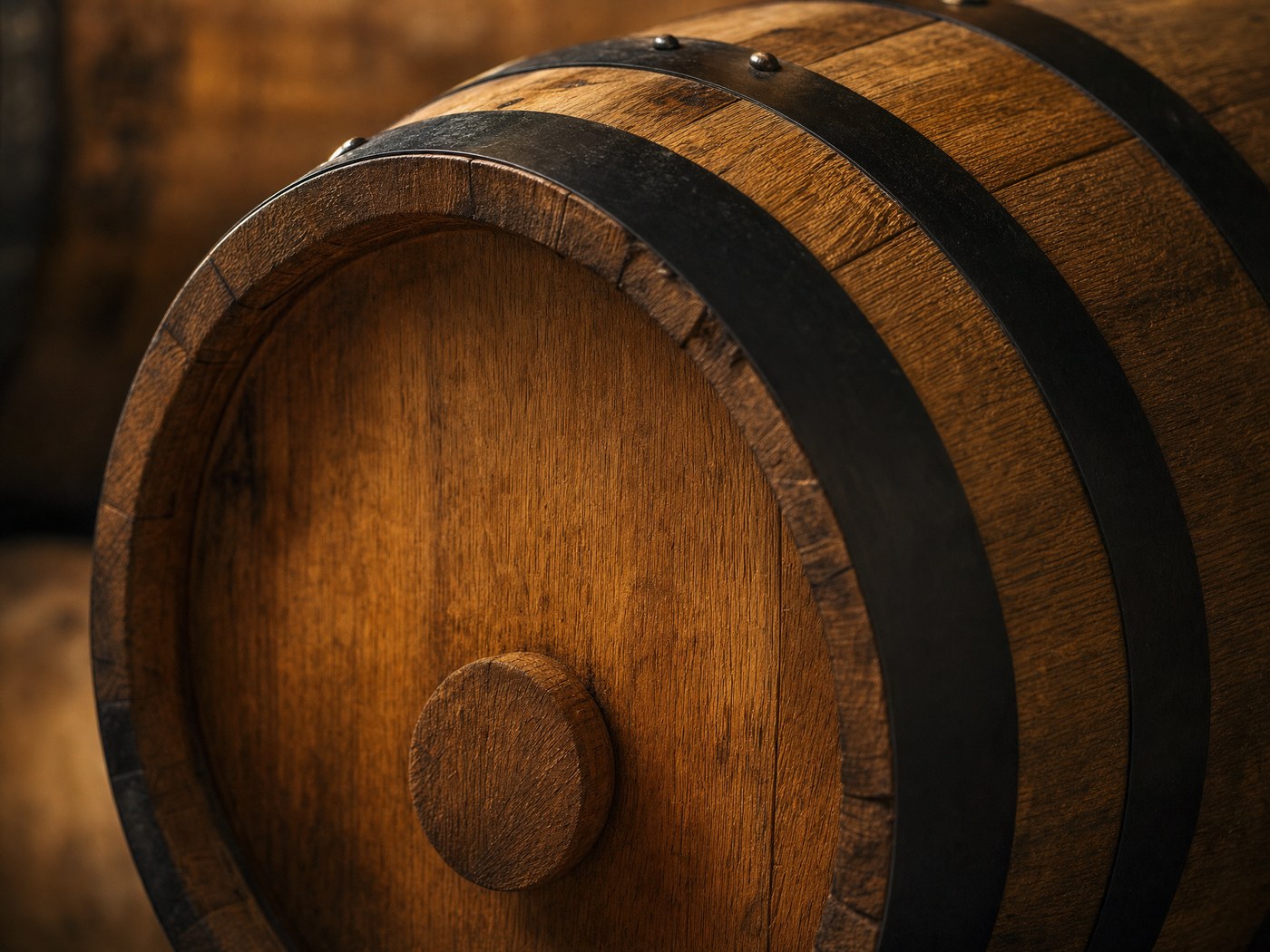
Premium oak
Independent of markets
Historically low correlation to equities and bonds, which some people use to diversify a broader portfolio.
Educational information only. Whisky casks are an unregulated, illiquid asset and their value can fall as well as rise.
Structural facts - not projections.
How cask ownership works, stated as facts. Nothing here is a return forecast.
* Figures describe how cask ownership works, not investment performance. Values can go down as well as up.
Stored, insured, and yours.
This isn’t a fund or a paper promise. You take full legal title to a specific cask, held in your name in an HMRC-bonded, insured warehouse, with complete provenance and ownership documentation.
- Full legal title, in your name
- HMRC-bonded, insured warehouse
- Complete provenance and ownership records
- More than one route to exit when you choose
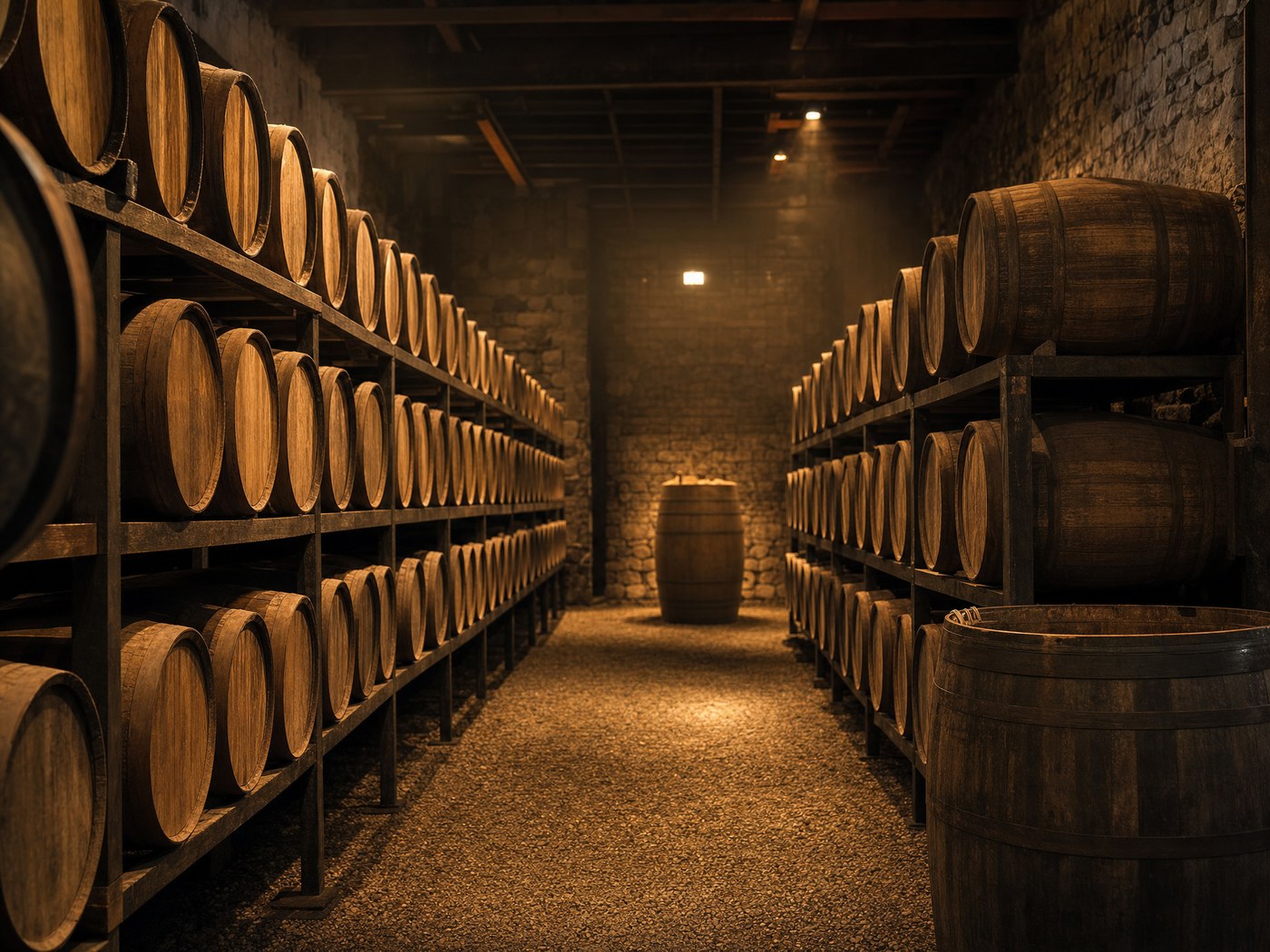
Held in an HMRC-bonded warehouse and insured throughout, with full provenance records.
Not all casks are equal.
A few things worth understanding before you buy - we will always talk you through them honestly.
Provenance
Who made the spirit, and the documents that prove it.
Cask & wood
Bourbon, Oloroso and PX sherry woods shape how a spirit matures.
Maturation runway
How long it has aged, and how much time in the wood remains.
Clear title
Verifiable legal title and a full, checkable paper trail.
How cask ownership works.
A simple sequence, at your pace - with no pressure at any stage.
Discovery
An honest, no-obligation conversation about your goals, time horizon and appetite for risk - before anything else.
Buy & take title
You buy only when ready and take full legal title to a specific cask, held in your name in a bonded warehouse.
Maturation & care
The spirit matures in the wood; the cask stays bonded and insured, with records and updates kept for you.
Sell your way
Private sale, specialist auction, bottling under your own label, or selling on to a blender or distillery.
The practicalities, honestly.
A cask is generally held in an HMRC-bonded warehouse, with annual storage and insurance costs. In the UK, casks are often treated as a “wasting asset” and may be exempt from Capital Gains Tax - but tax treatment depends on your circumstances and can change, so take independent advice.
- Bonded, insured warehouse storage
- Annual storage & insurance fee applies
- Often CGT-exempt as a wasting asset*
- Independent tax advice recommended
*Tax treatment depends on individual circumstances and current HMRC guidance, which may change.
The risks, stated plainly.
We’d rather you understood the risks than felt rushed. Whisky casks are unregulated and illiquid - and you could get back less than you put in.
Values can fall as well as rise, there are storage and other costs, and selling can take time. Nothing on this page is a guarantee, a forecast, or financial advice.
Past performance is not a guide to the future. We’d always encourage you to take independent tax and financial advice before committing.
Cask investment, answered.
Who owns the cask? +
Can I bottle it myself? +
Is it really CGT-exempt? +
How do I sell? +
Where is it stored, and what does it cost? +
What is the minimum? +
No pressure. Just a clear starting point.
Start with the honest guide, or a short no-obligation conversation about casks - no commitment either way.