Why invest in whisky?
The honest case.
Whisky has quietly become a serious alternative asset - tangible, finite, and maturing in the cask. Here is the genuine case for it, and the real risks, without the hype.

Unlike a paper holding, a cask of whisky is something you actually own - and one that quietly matures while you hold it. We’d rather explain the case honestly than sell you a number.
The case, stated plainly.
Some of the reasons people add a cask of whisky to a portfolio - honestly, and without guarantees.
Tangible & finite
A physical cask you own outright. There is only ever so much of any release - it can’t be reprinted.
The Angel’s Share
Each year a small amount evaporates from the cask, so the supply of mature whisky quietly shrinks over time.
Matures with age
Spirit deepens in the wood for years. Older, well-kept whisky is scarcer - and often more sought-after.
Global demand
Interest in rare single malt has grown worldwide, including from newer markets - meeting a deliberately limited supply.
Diversification
A real asset with historically low correlation to equities and bonds - one part of a balanced position.
Potentially tax-efficient
In the UK a cask is often treated as a wasting asset and may be exempt from Capital Gains Tax - depending on your circumstances. Seek advice.
Educational information only. Whisky is an unregulated, illiquid asset and its value can fall as well as rise.
Why mature whisky gets rarer.
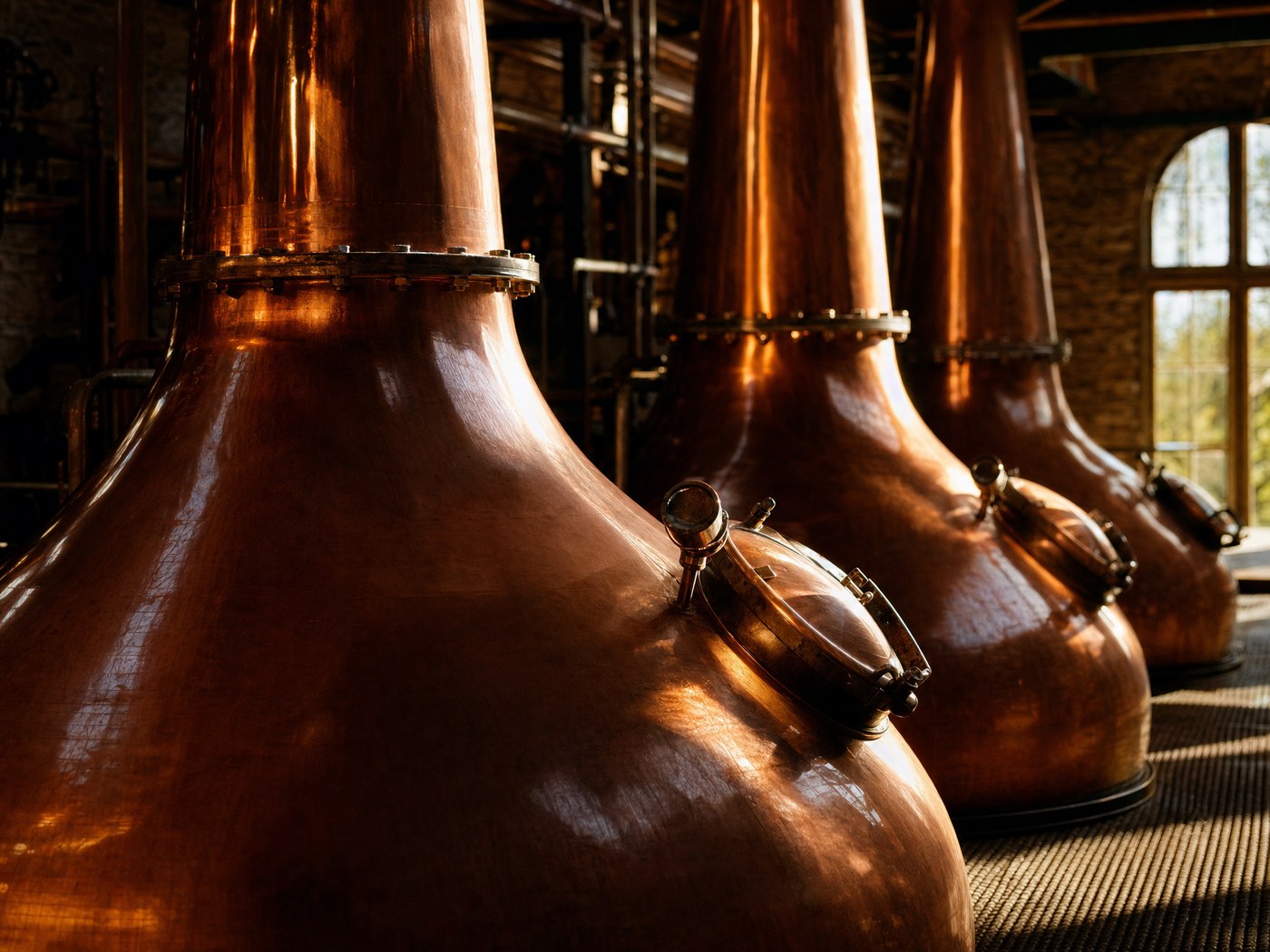
Two forces work in the same direction. Distilleries release only so much, and as bottles are opened and enjoyed, the pool of any given whisky shrinks. Meanwhile, in the warehouse, the “Angel’s Share” - a small annual evaporation - slowly reduces what remains in every cask.
- Limited, capped production at the source
- Bottles are consumed - stock only falls
- Annual evaporation shrinks each cask
- Time in the wood can’t be rushed or faked
Structural facts - not projections.
How whisky behaves as an asset, stated as facts. Nothing here is a return forecast.
* Figures describe the asset and how ownership works, not investment performance. Values can go down as well as up.
Not a fund. A cask you own.
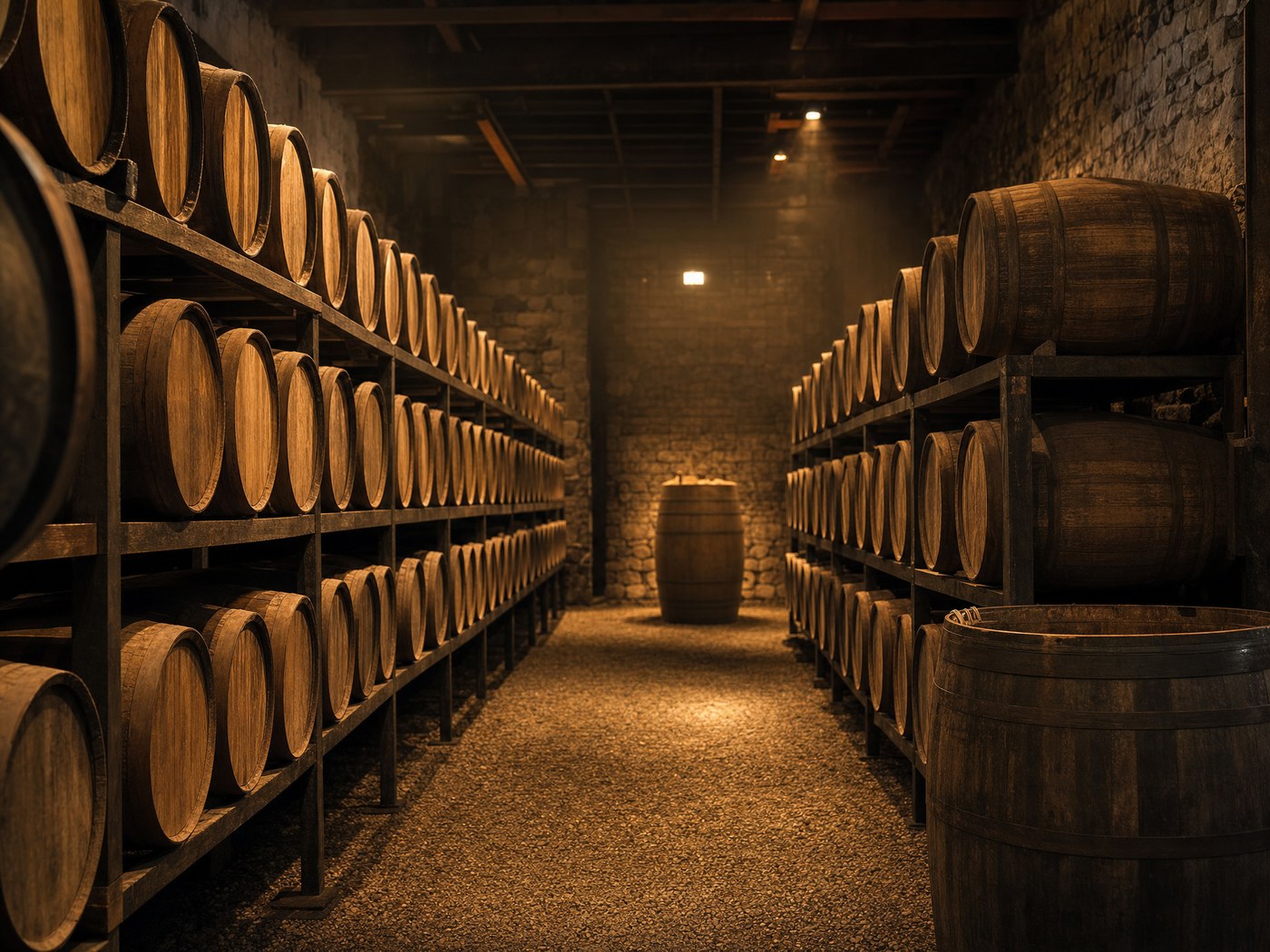
This isn’t a paper promise. You take full legal title to a specific cask, held in your name in an HMRC-bonded, insured warehouse, with provenance and ownership documentation throughout - and more than one way to sell when you choose to exit.
The risks, stated plainly.
We’d rather you understood the risks than felt rushed. Whisky is unregulated and illiquid - and you could get back less than you put in.
Values can fall as well as rise, there are storage and other costs, and selling can take time. Nothing here is a guarantee, a forecast, or financial advice.
Past performance is not a guide to the future. Take independent tax and financial advice before committing.
No pressure. Just a clear starting point.
Start with the honest guide, or a short no-obligation conversation about whisky - no commitment either way.