Wine investing -
simple and accessible.
Investing in wine can be rewarding, but getting started can feel daunting. Our free guide fills you in on everything you need - the benefits, the real risks, and how to begin.
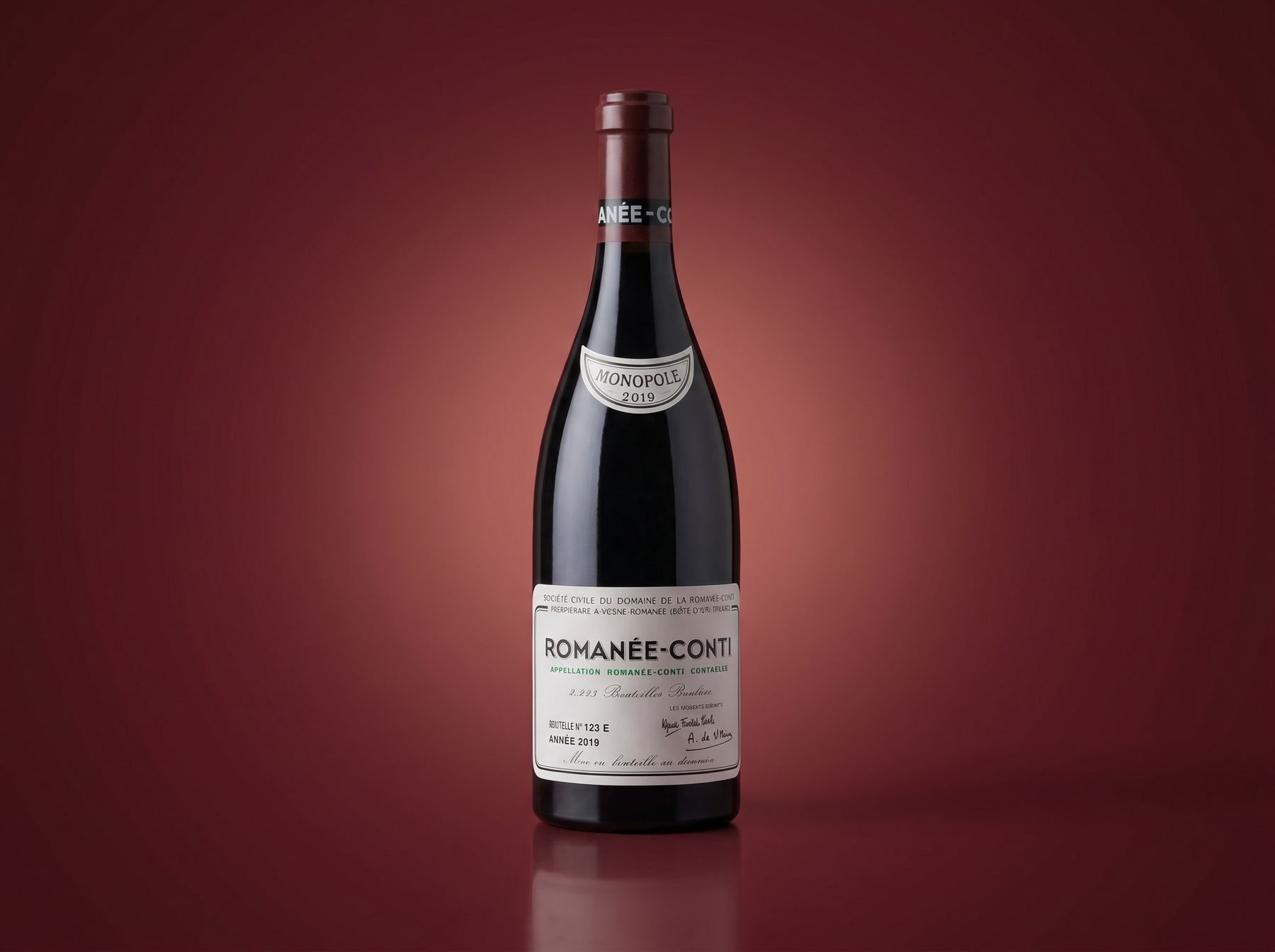
A wine investment can improve with age.
Some of the reasons people add fine wine to a portfolio - stated honestly, without guarantees.
Inflation hedge
Fine wine has a limited, non-duplicable supply, which has historically helped it hold real value as costs rise.
Diversification
Historically low correlation to equities and bonds can reduce the overall volatility of a balanced portfolio.
Store of value
Blue-chip wines have a long track record of holding value - though, like any asset, that is never guaranteed.
Wealth preservation
For many, fine wine is a long-term way to store value rather than a route to quick gains.
Private & discreet
A tangible holding you own privately - an unusual quality among investable assets.
A physical asset
Real, tangible and yours - it can’t be hacked or erased like a purely paper holding.
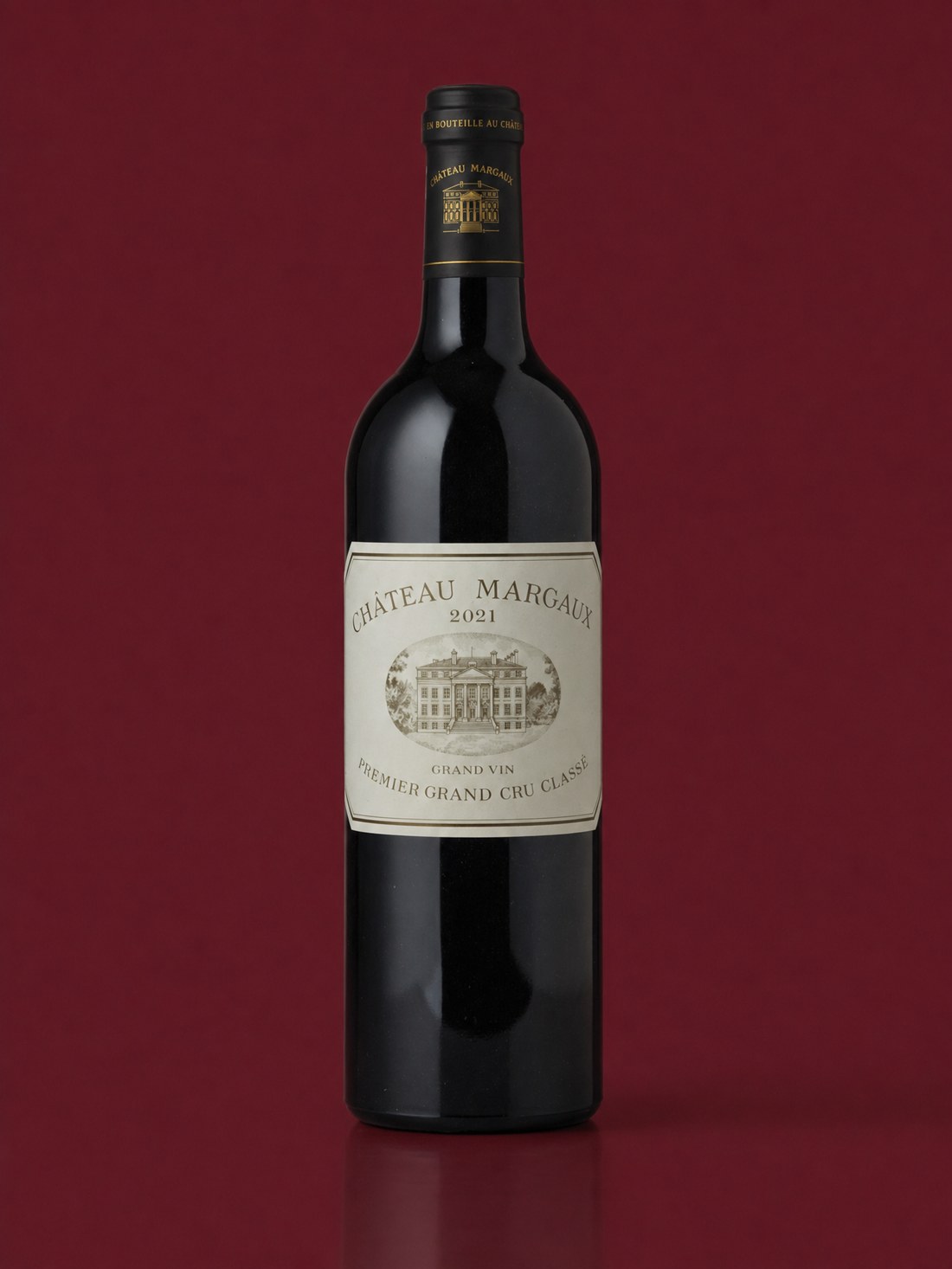
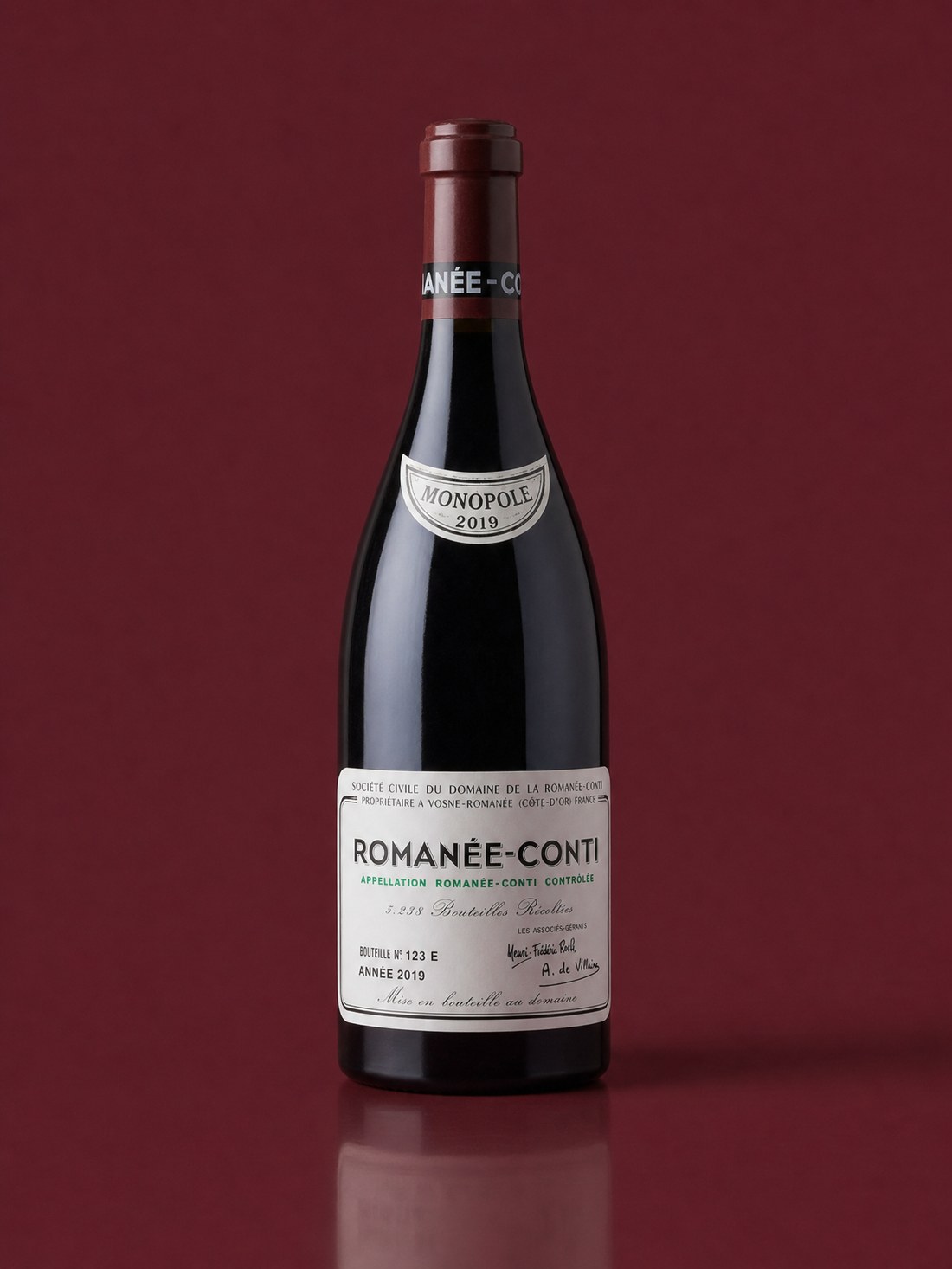
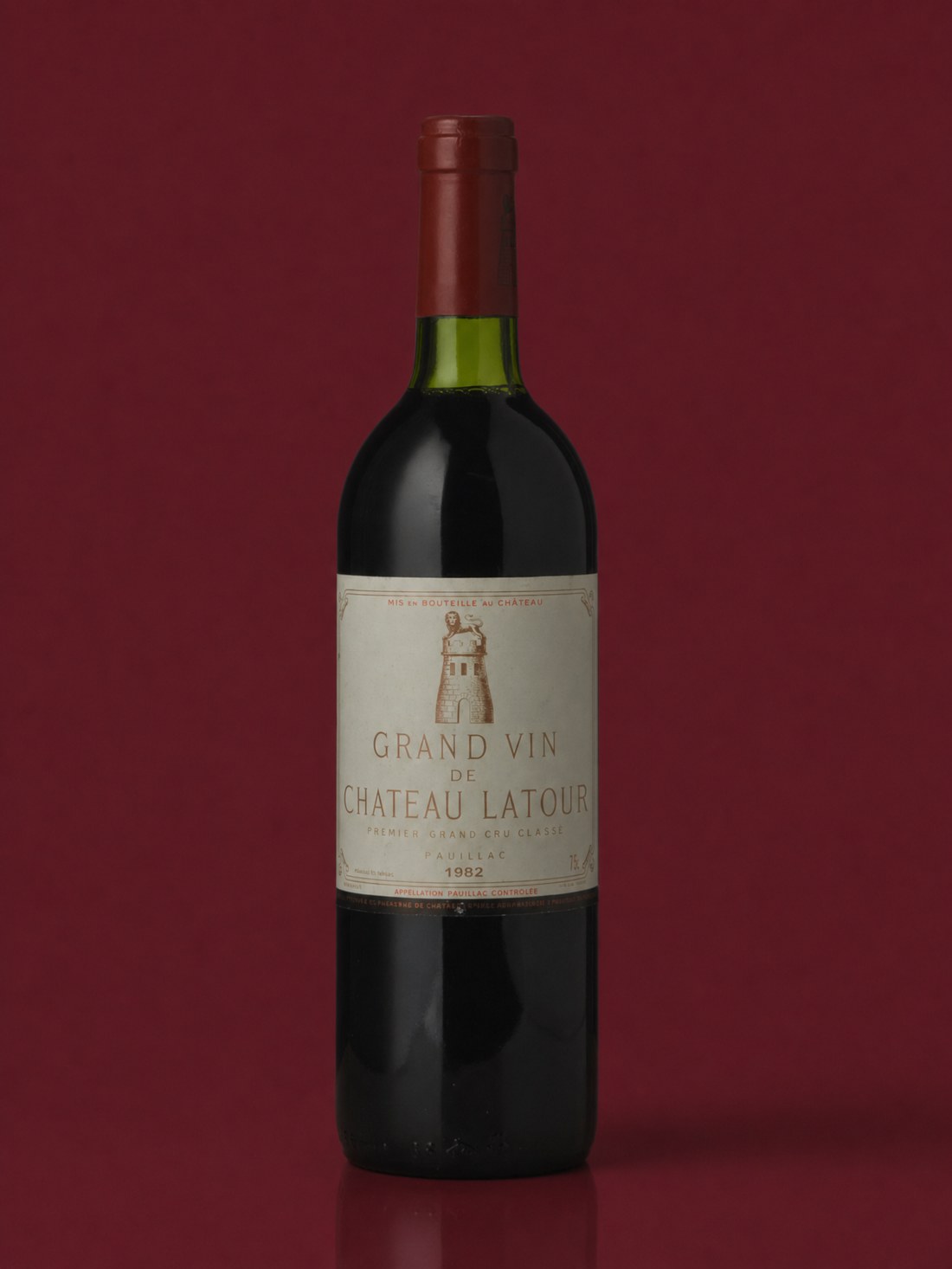
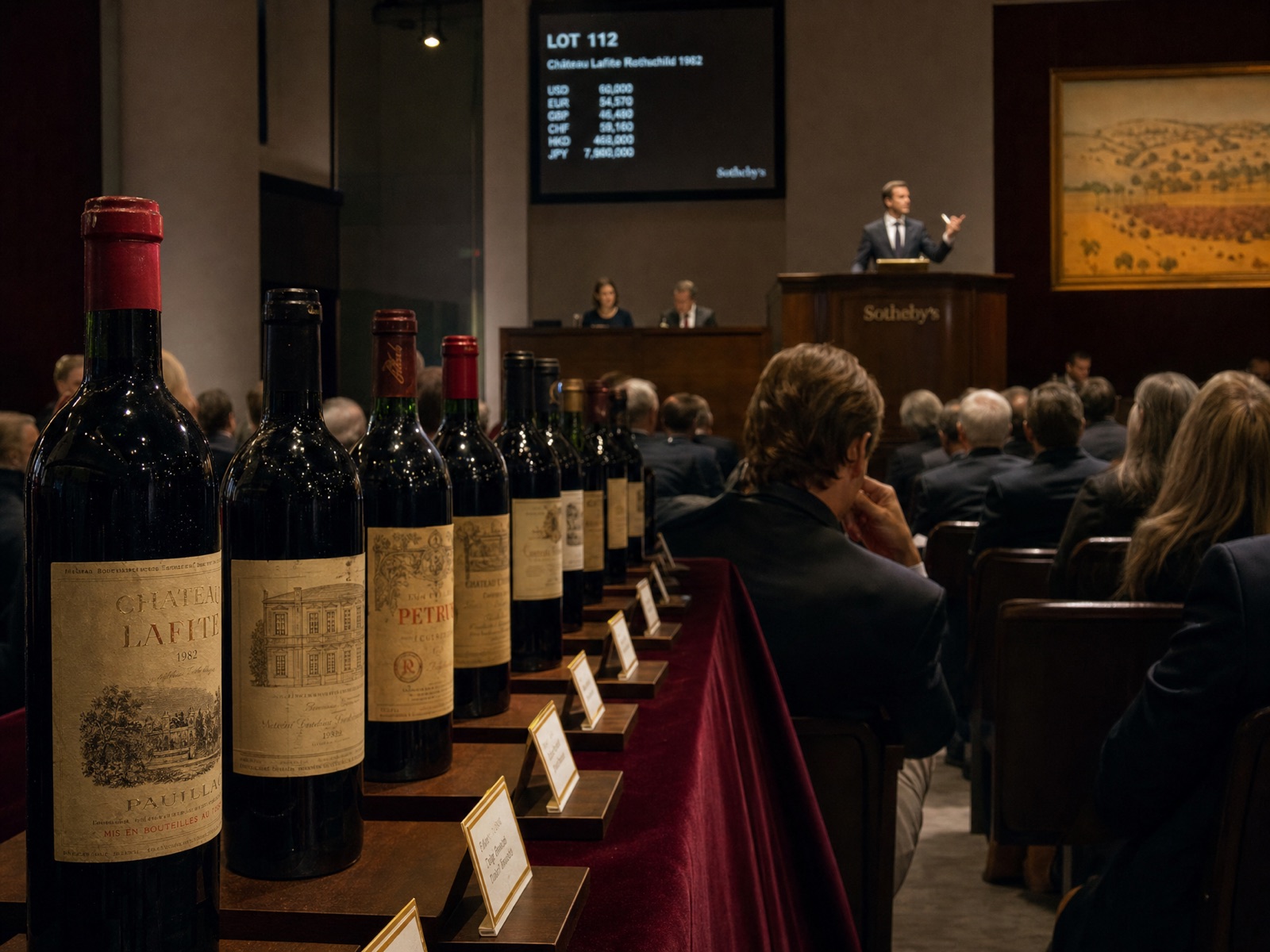
Blue-chip names.
The kind of investment-grade wines we help clients access - shown for illustration, not as recommendations.
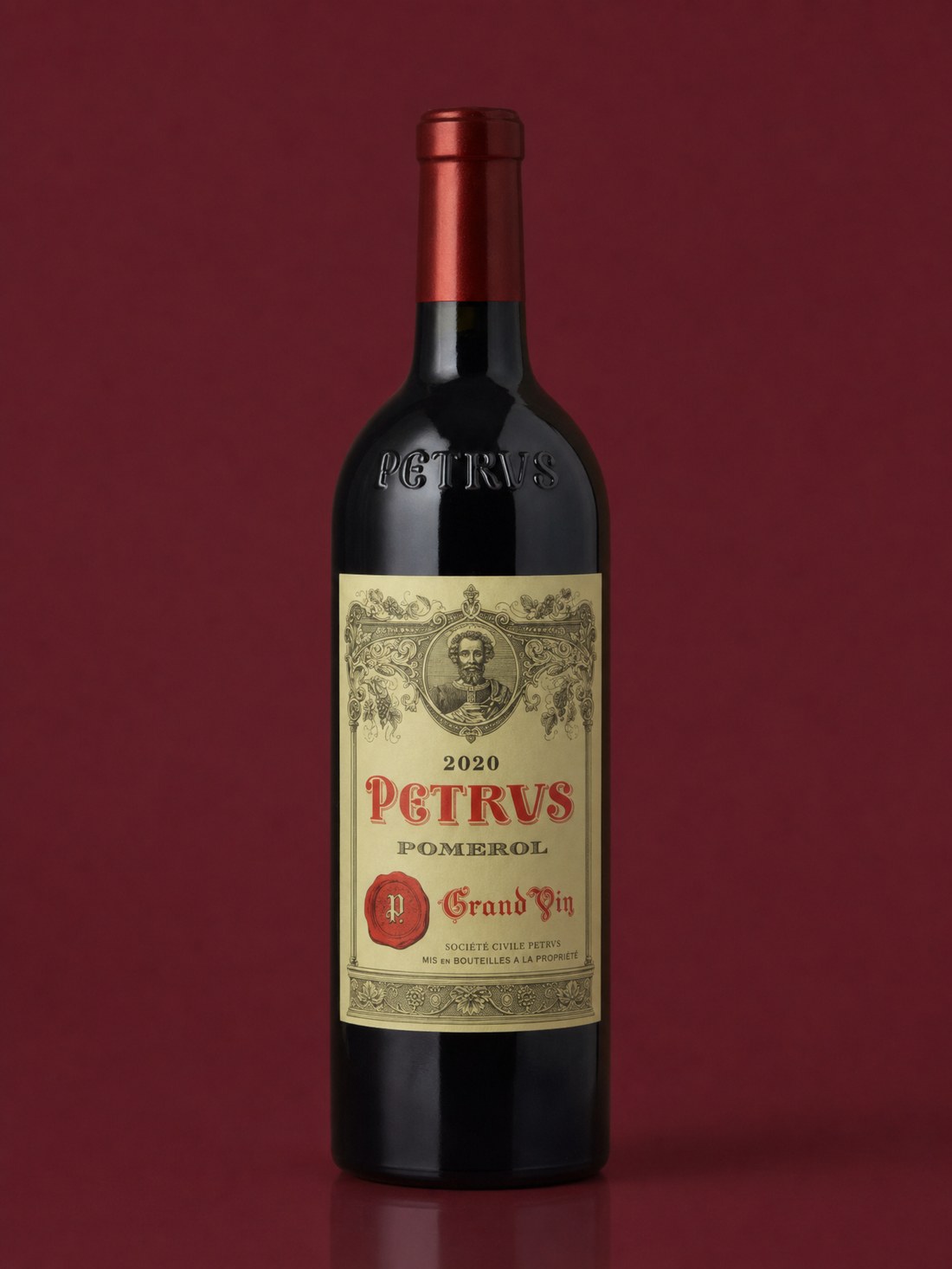
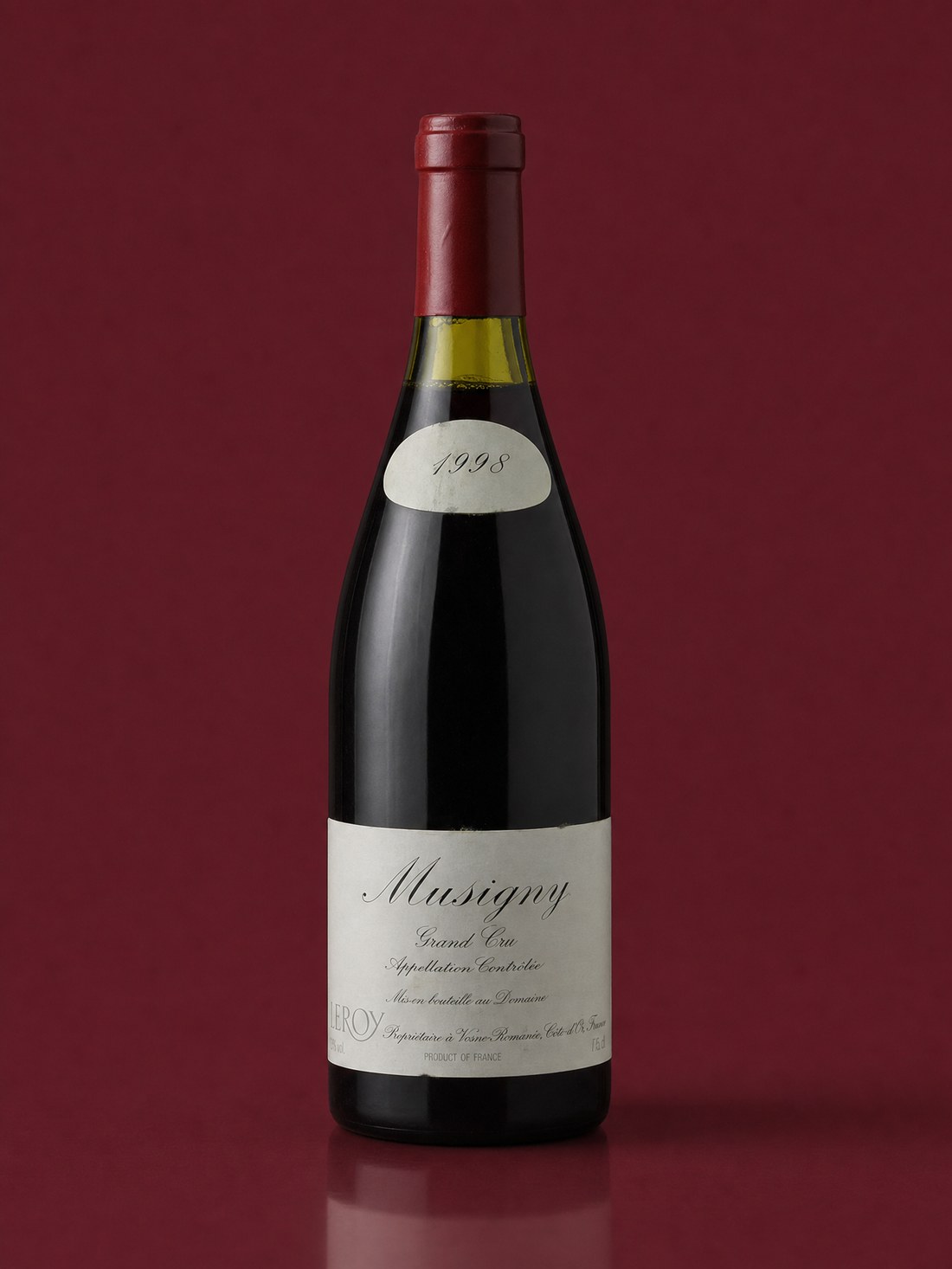
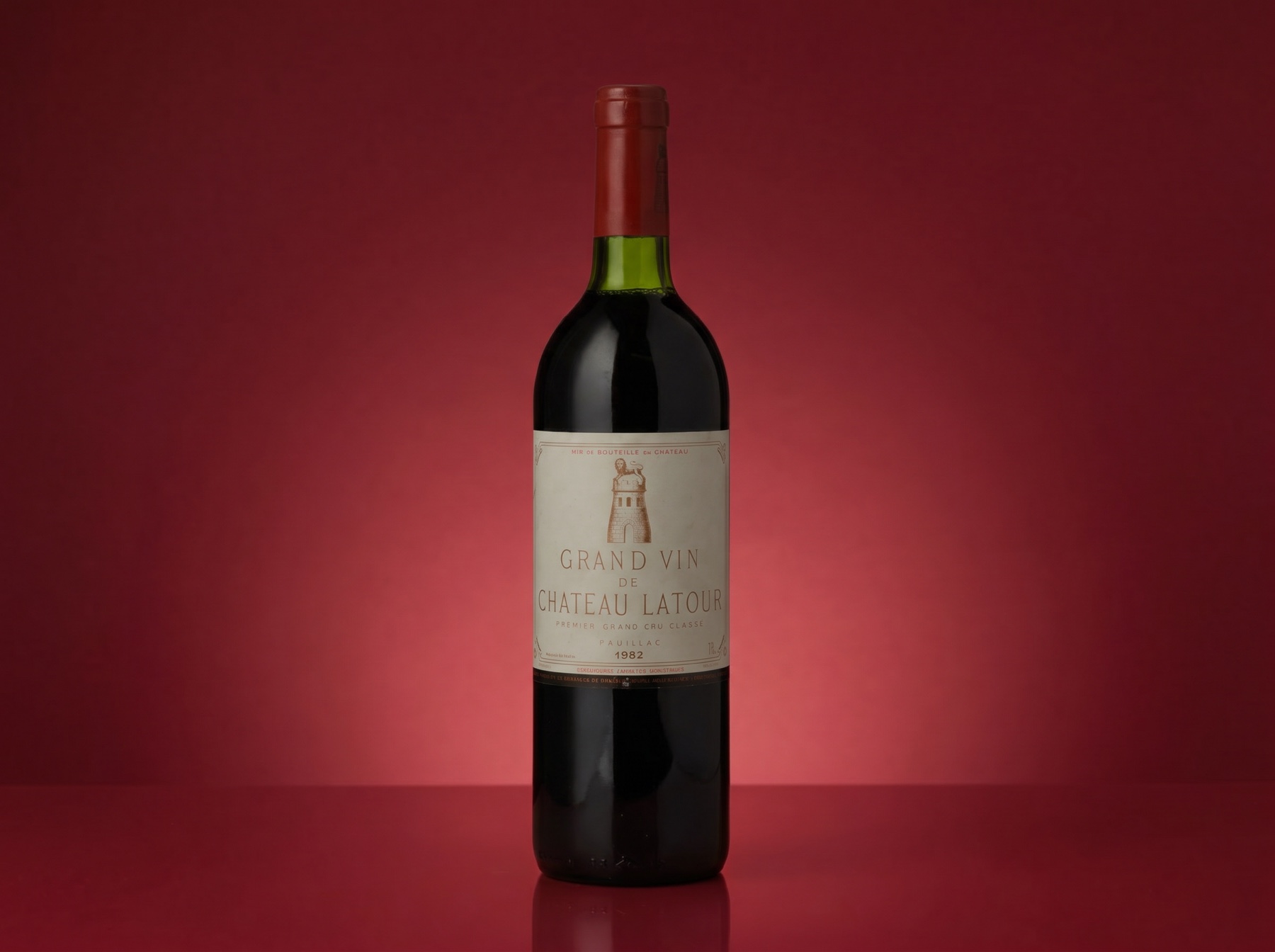
Well-informed decisions, made easier.
Investing in wine can feel nerve-wracking - it doesn’t have to be. Our free guide answers the common questions and helps you avoid the mistakes beginners often make.
- An introduction to wine as an asset
- The benefits - and the real risks & costs
- What influences the price of a wine
- Wine classification, explained simply
- How to protect and grow wealth with wine
“In the UK, fine wine is often treated as a wasting asset - potentially free from capital gains tax for many collectors.”
This depends on your circumstances and isn’t tax advice. See our tax guidelines and speak to a qualified adviser.
Understand it properly.
The honest detail behind fine wine investing - the case for it, how the market moves, and how your wine is protected.
Frequently asked questions.
Why is wine a good investment? +
Is wine investment tax-free? +
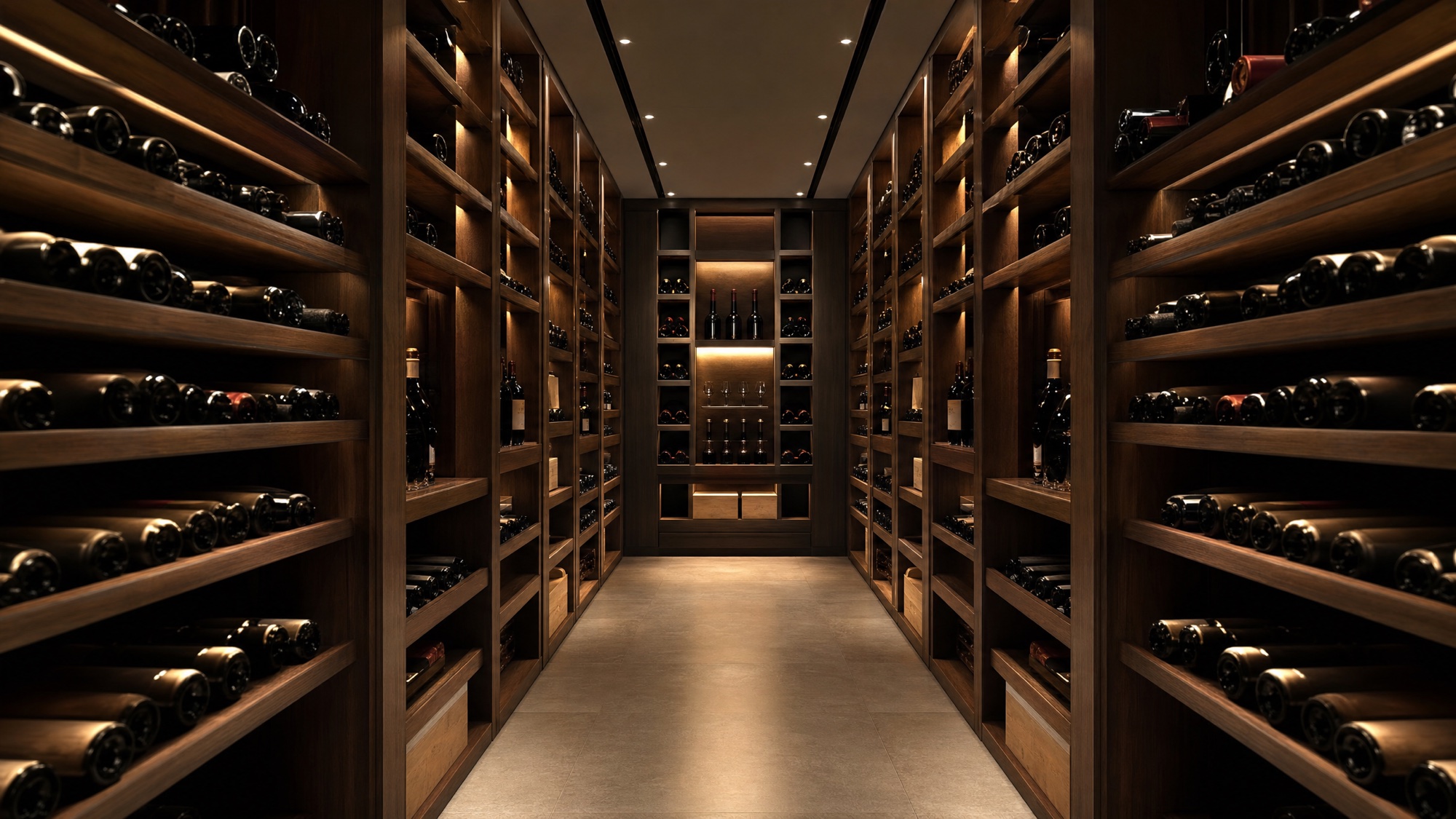
How should wine be stored? +
Where should I store my wine? +
What does “en primeur” mean? +
“Read the guide, ask us anything, and decide in your own time - no pressure either way.”
Get the free guide →