Bordeaux and Burgundy, explained
The two great French regions, and why collectors treat them so differently.
Bordeaux and Burgundy are the two names that dominate any conversation about fine wine, and they are often mentioned in the same breath. But they are very different places, with different grapes, different traditions and a very different logic for anyone looking to collect. Understanding how they diverge is one of the most useful foundations you can have.
Different grapes, different philosophies
The clearest difference is in the grapes. Bordeaux’s great reds are blends, built mainly from Cabernet Sauvignon and Merlot, with supporting roles for Cabernet Franc, Petit Verdot and others. Burgundy, by contrast, is a region of single grapes: almost all its red wine is Pinot Noir and almost all its white is Chardonnay. Bordeaux is the art of blending; Burgundy is the pursuit of one grape expressed through a particular patch of ground.
Estates versus vineyards
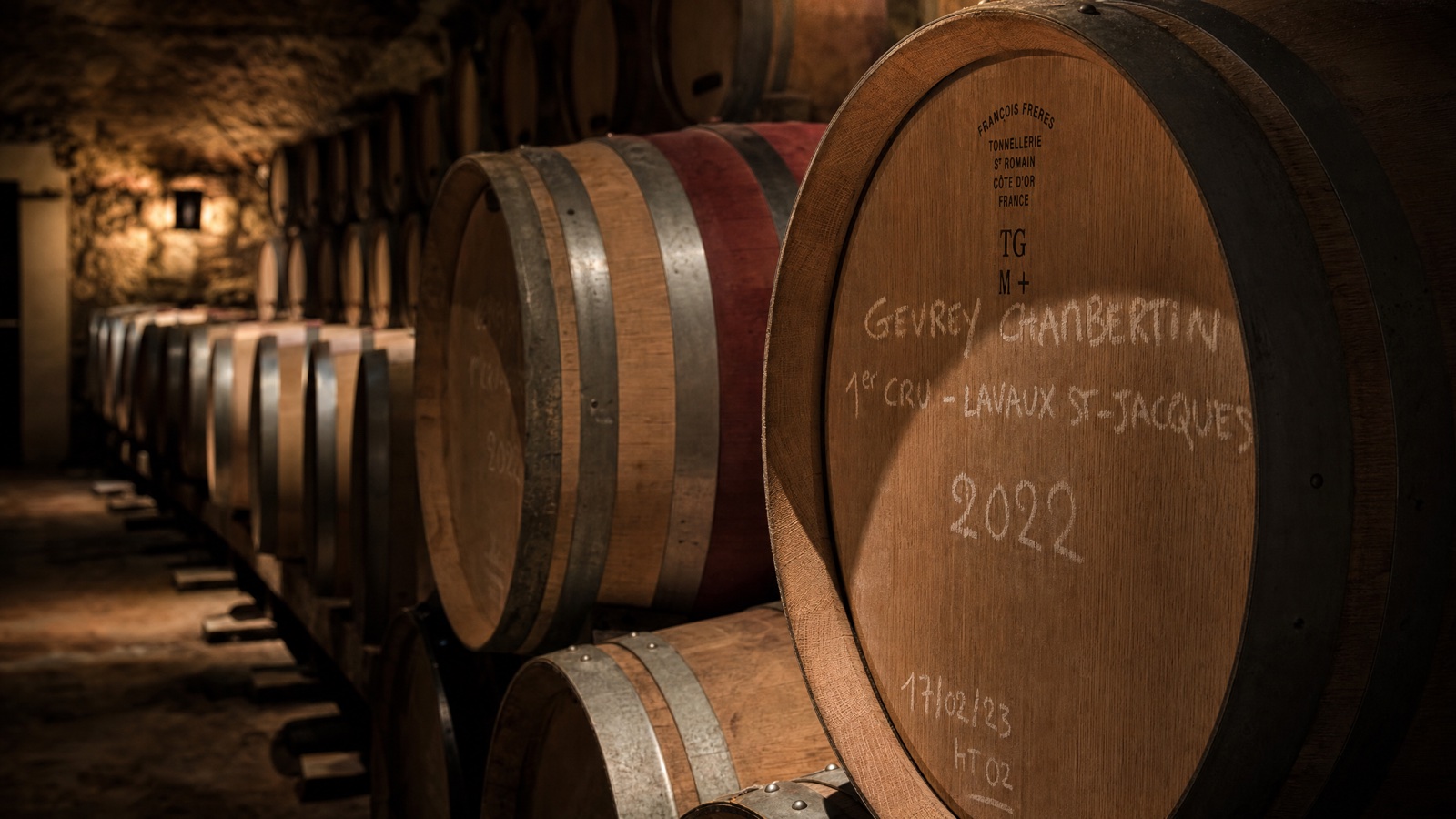
The two regions are also organised differently. Bordeaux is built around châteaux - relatively large estates that own their vineyards and produce wine under a single name, often in significant quantities. Burgundy is fragmented into tiny plots, or “climats”, frequently divided between many growers, so a celebrated vineyard may be made by several different domaines in very small amounts. That scarcity is part of why some Burgundy is so sought after.
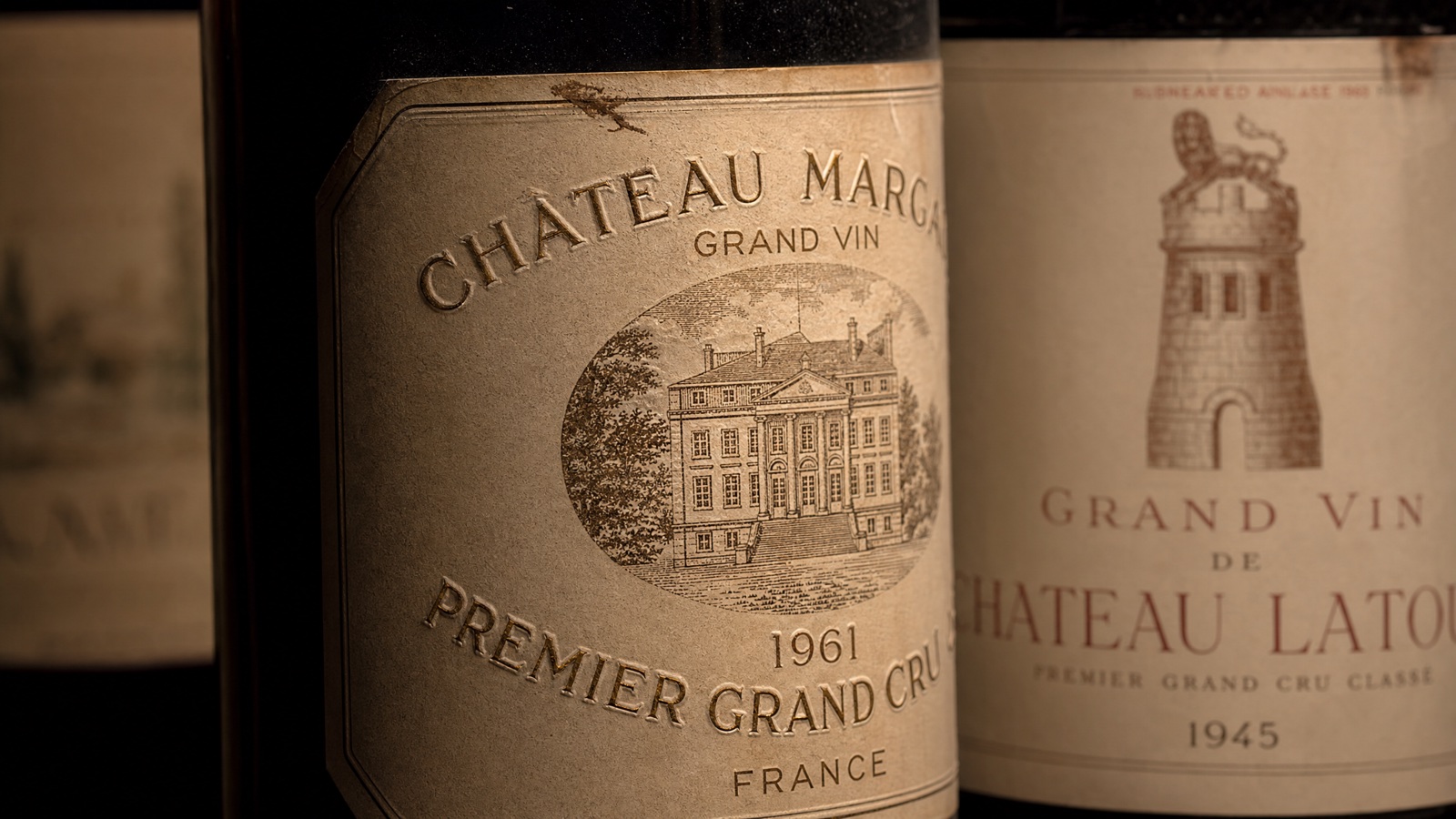
Each region ranks its wines, but in different ways. Bordeaux’s best-known system is the 1855 classification, which ranked châteaux into “growths”. Burgundy classifies the land itself, grading vineyards as Grand Cru, Premier Cru, village or regional. In Burgundy the vineyard is the star; in Bordeaux the estate tends to take top billing.
What it means for collectors
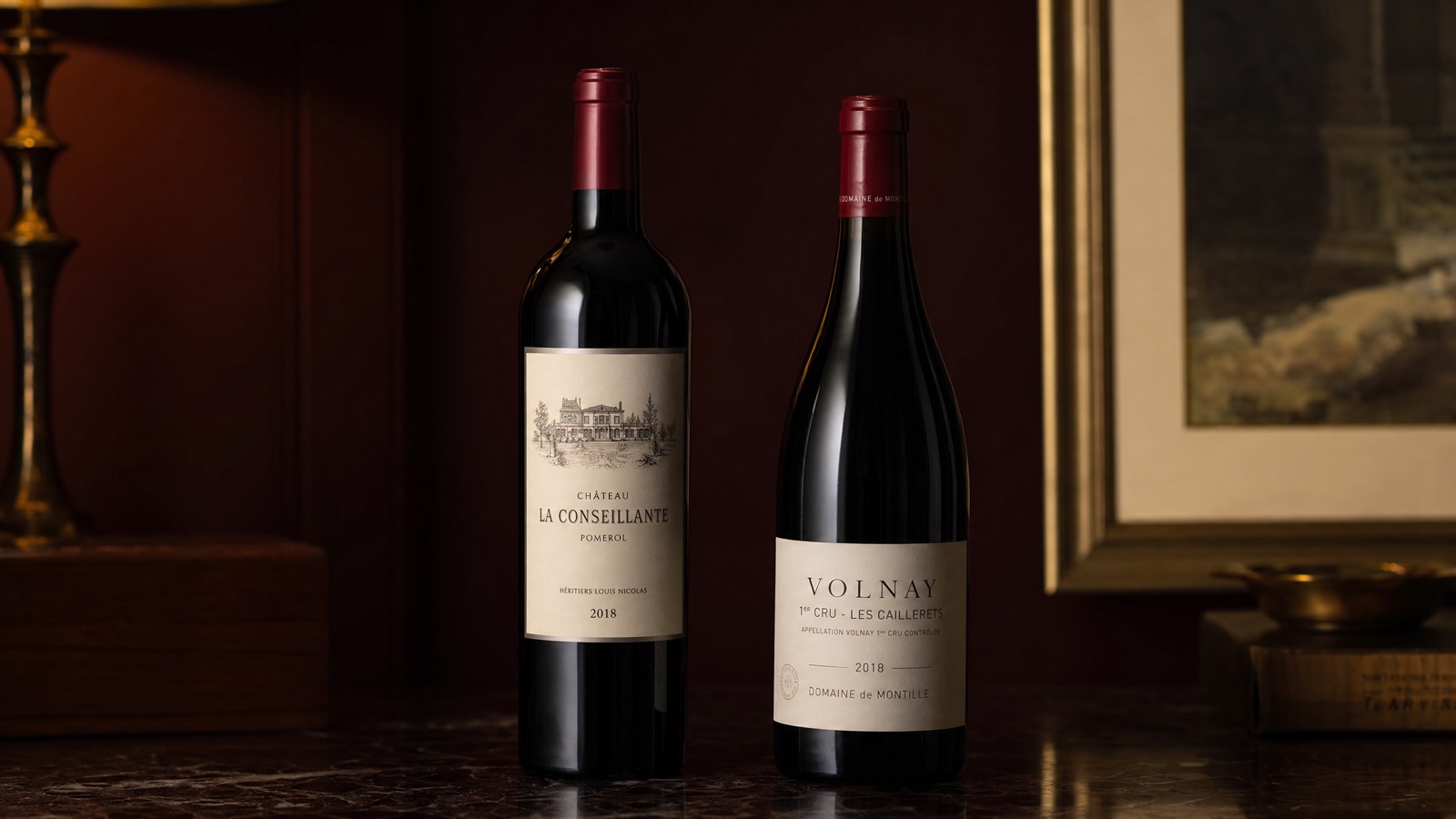
Even the bottles differ. Bordeaux is poured from a high-shouldered bottle, Burgundy from one with gently sloping shoulders - a practical tradition that has become a quick visual cue. In the glass, Bordeaux reds are typically structured and firm in youth, built to age; fine red Burgundy is usually more perfumed and delicate, though no less ageworthy.
For collectors, the practical upshot is that the two regions behave differently. Bordeaux is made in larger volumes and trades in a deep, well-documented market; top Burgundy is made in tiny quantities and can be much harder to find. Neither is “better” - they simply reward different tastes and approaches. As always, fine wine is an illiquid, unregulated asset, and nothing here is a recommendation to buy any particular wine.