How to read a fine wine label
A quick, practical guide to everything the bottle is trying to tell you before you buy.
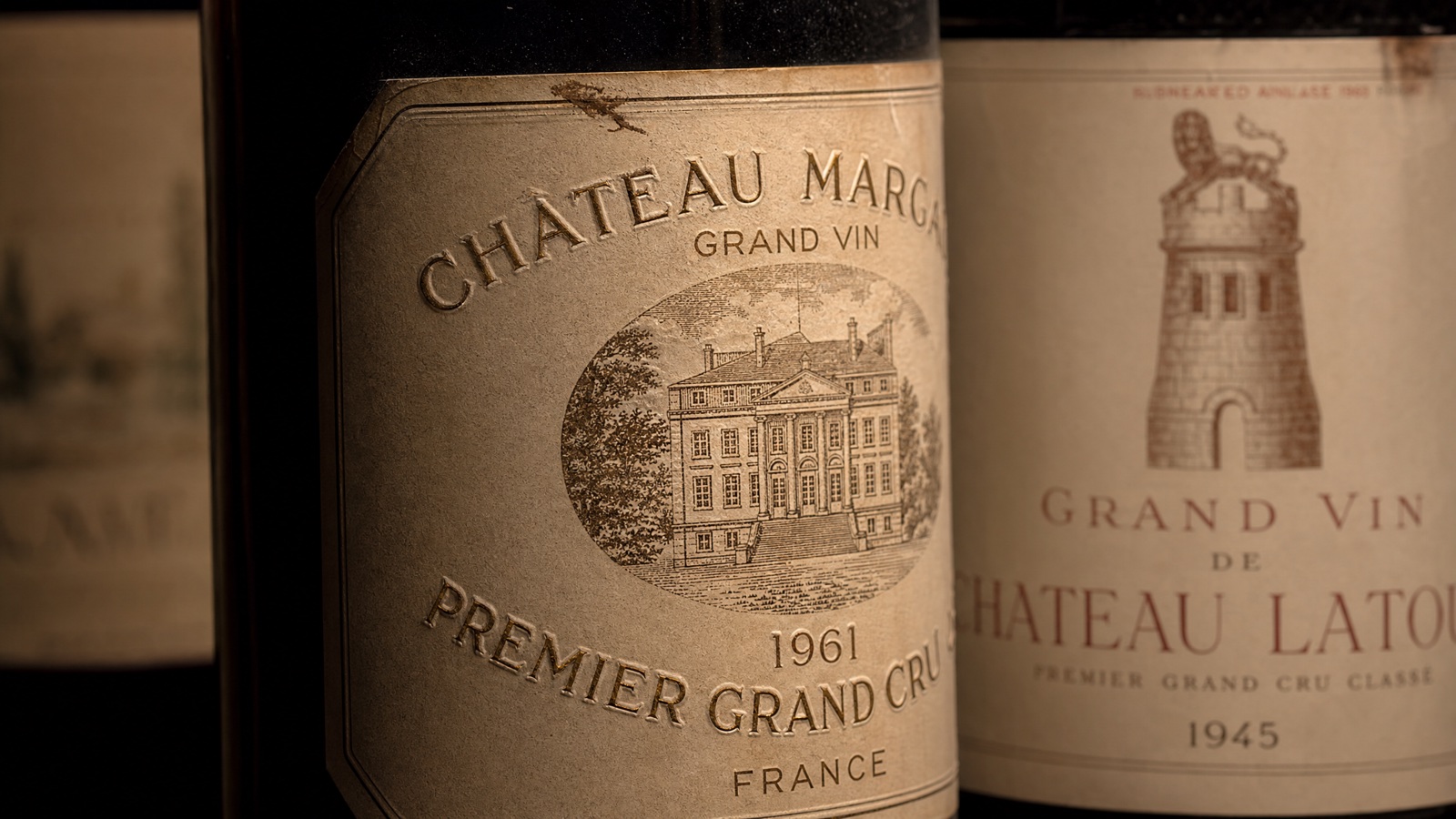
A fine wine label can look like a wall of unfamiliar names and small print, but almost everything on it is there for a reason: to tell you exactly what is in the bottle and where it came from. Once you know what to look for, a label becomes a quick, reliable summary of a wine’s origin, age and pedigree - which is precisely what matters when you are buying for quality rather than on impulse.
The producer comes first
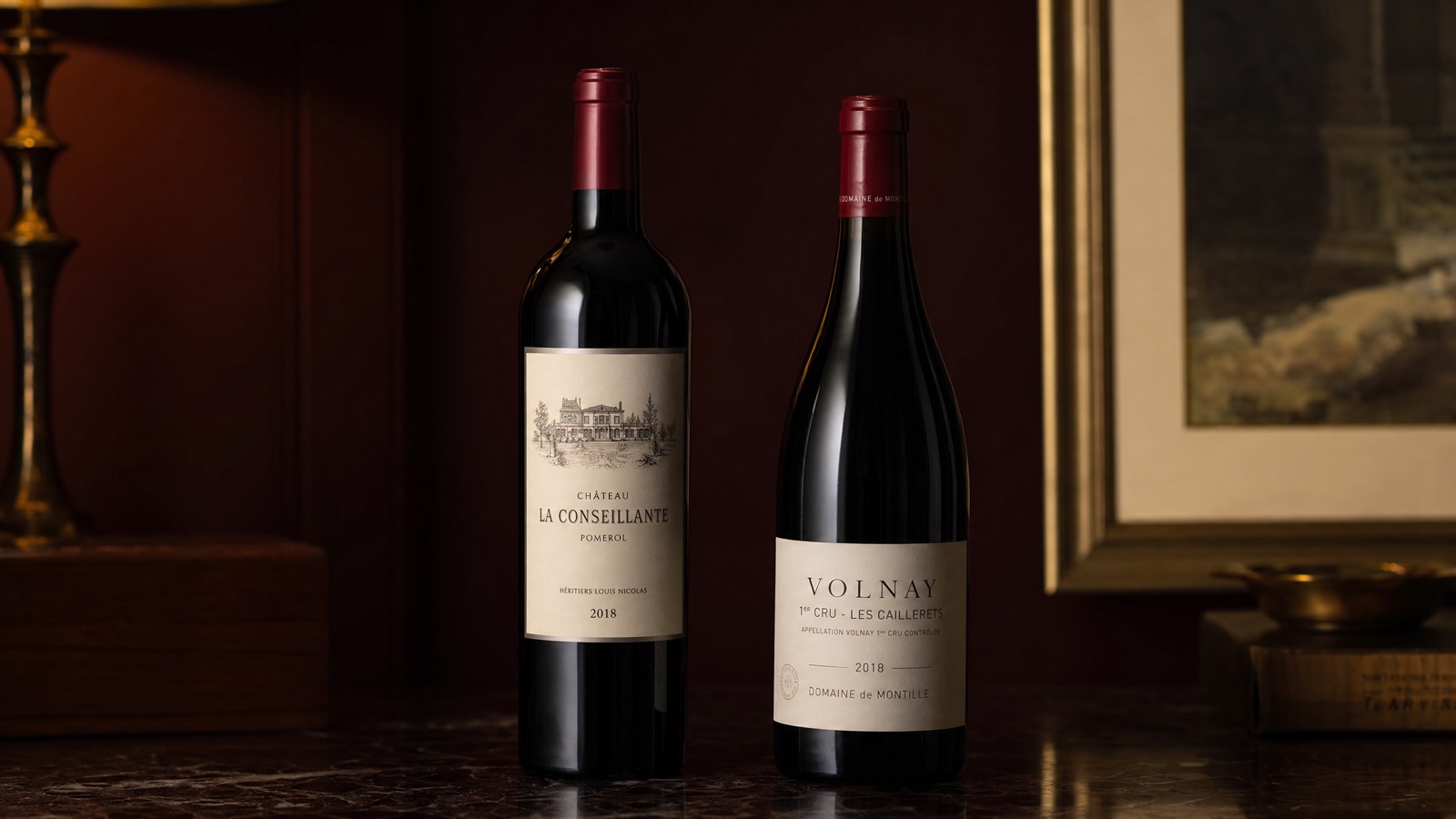
The most prominent name is usually the producer - the château, domaine, estate or maison responsible for the wine. In Bordeaux this is the château; in Burgundy it is the domaine. The producer’s reputation is one of the strongest signals of quality and consistency, because a serious estate stakes its name on every bottle it releases.
Region and appellation
Around the producer you will find the region and, more specifically, the appellation - a legally defined growing area with rules about which grapes may be used and how the wine is made. Terms such as “Appellation d’Origine Protégée” (AOP) in France or “Denominazione di Origine Controllata” (DOC) in Italy tell you the wine meets that area’s standards. A narrower appellation - a single village or vineyard rather than a broad region - usually points to a more specific expression of place.
Vintage and classification
The vintage is simply the year the grapes were harvested. It matters because weather varies from year to year, and in many regions some vintages are noticeably stronger than others. For wines meant to age, the vintage also tells you roughly where the wine is in its life - whether it is young and tight, or entering its drinking window.
Many famous regions add a classification - a ranking of vineyards or estates. Bordeaux’s 1855 classification of “Grands Crus Classés”, Burgundy’s “Premier Cru” and “Grand Cru” vineyards, and similar systems elsewhere all signal sites that have historically produced the finest wine. These terms are tightly regulated, so they are a useful shorthand - though never a guarantee of how any single bottle will taste.
The detail in the small print
The smaller print covers the practical details: alcohol by volume, bottle size, whether the wine was estate-bottled (“mis en bouteille au château”), and importer information. None of it is decoration. Read together, a fine wine label answers the questions that matter most before you buy - who made it, where, from what, in which year, and to what standard. It describes the wine itself; it says nothing about how it might perform as an asset.