What ‘en primeur’ means
Buying wine before it is bottled - how it works, and the honest trade-offs.
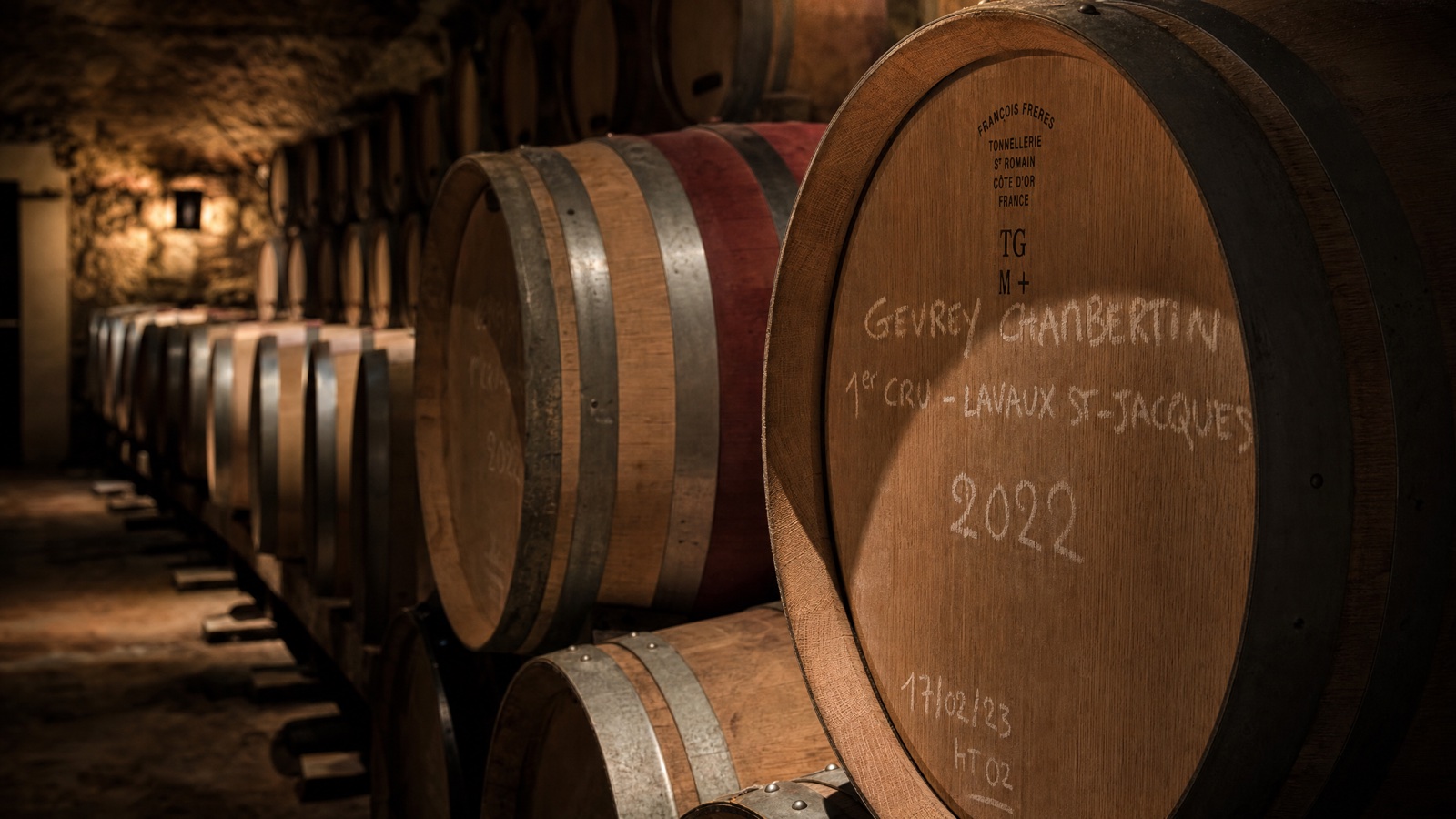
“En primeur” is one of the first pieces of jargon a new fine wine buyer runs into, and it sounds more complicated than it is. It simply means buying wine as a “future” - committing to a wine, and paying for it, while it is still maturing in barrel and a year or two away from being bottled and shipped. It is most closely associated with Bordeaux, though other regions run their own versions.
How the campaign works
Each spring, the most recent Bordeaux vintage is offered to the trade before it is finished. Critics and merchants taste barrel samples, the châteaux release prices in stages, and buyers can reserve wine that will not physically arrive until perhaps eighteen months to two years later. You pay for the wine up front; storage, duty and taxes are usually settled separately when it is finally delivered.
Why buyers commit early
The traditional appeal is access and price. Buying early can be the surest way to secure wine from sought-after estates or small-production vintages before they sell out, and sometimes the opening price is lower than the wine will cost once it is bottled and on the shelf. For wines that are hard to find later, en primeur can simply be the most reliable route to ownership.
The honest risks
There are real trade-offs, and they are worth taking seriously. Your money is committed for a long time before you receive anything, so you carry the risk that the market - or the wine’s standing - moves against you in the meantime. The opening price is not always the lowest it will ever be; in some vintages, bottled wine has later been available for less. And, as with any fine wine, value can fall as well as rise, and a sale is rarely quick.
Why provenance matters most
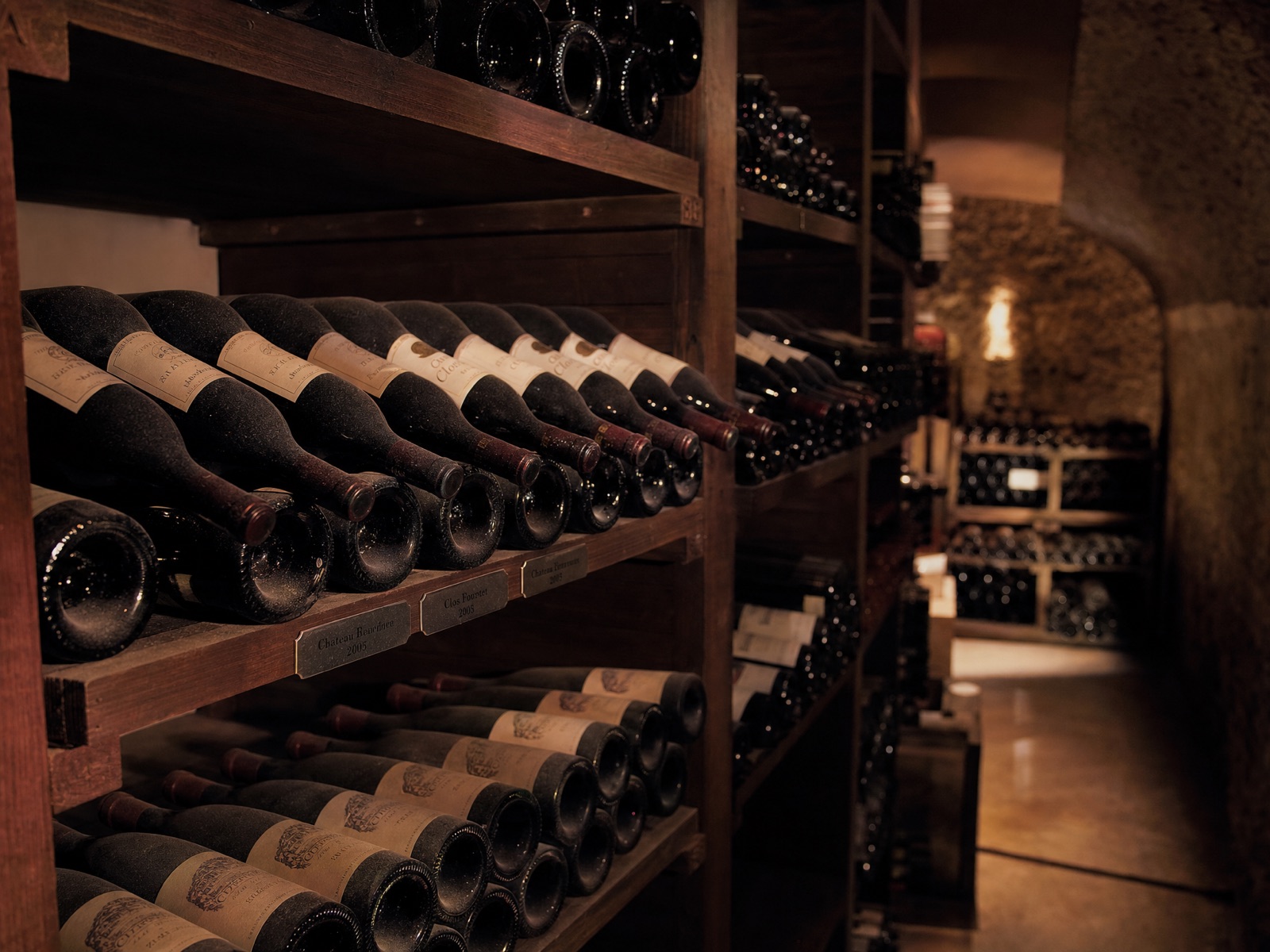
One practical point matters more than almost any other: provenance. Wine bought en primeur and kept In Bond in professional storage from the start has the cleanest possible history, which makes it far easier to sell on. Wine that has changed hands or storage conditions repeatedly is harder to verify and can be worth less as a result.
En primeur is best understood as one way of buying fine wine, with its own balance of advantages and risks - not a shortcut to a profit. It can make sense for wines that are genuinely difficult to obtain later, provided you are comfortable committing funds early and holding for the long term. This is educational information only and not investment advice; fine wine is an unregulated, illiquid asset.